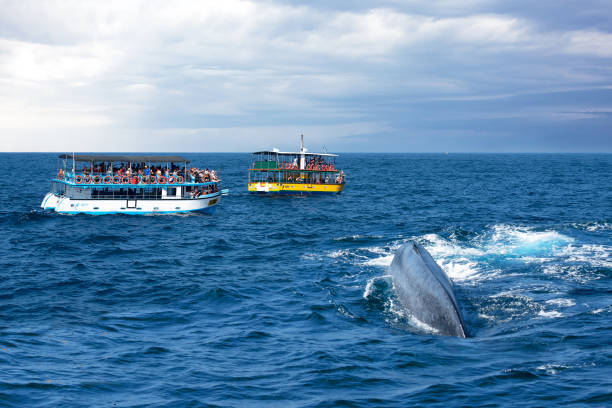
Whale Watching in Sri Lanka: Guide to Marine Wildlife & Ocean Adventures
Sri Lanka is one of the world's premier whale watching destinations, with year-round opportunities to see blue whales, sperm whales, and dolphins. The island's strategic location in the Indian Ocean, combined with deep ocean trenches, makes it an ideal habitat for these magnificent marine mammals.
Why Sri Lanka for Whale Watching?
Unique Geography
Sri Lanka's position creates perfect conditions for whale watching:
- Deep ocean trenches close to the coast (Canyon reaches 3,000+ meters)
- Rich marine food sources
- Predictable seasonal migrations
- Calm seas during specific seasons
World-Record Population
Sri Lanka hosts one of the world's largest blue whale populations, with an estimated 300+ individuals regularly visiting these waters.
Types of Whales & Dolphins
Blue Whales
The world's largest animals, blue whales are commonly spotted around Sri Lanka.
- Best season: March to April (southwest coast) and November to February (east coast)
- Size: Up to 30 meters long
- Behavior: Surface feeding, breaching, fluking
- Experience: Breathtaking and humbling
Sperm Whales
Deep-diving whales often seen around submarine canyons.
- Best season: November to April
- Size: Males up to 18 meters
- Behavior: Deep dives (1-2 hours) followed by surface breathing
- Spotting rate: High in south and southwest coasts
Dolphins
Multiple dolphin species thrive in Sri Lankan waters.
Spinner Dolphins
- Known for acrobatic spinning jumps
- Best season: Year-round
- Often seen in large pods
Bottlenose Dolphins
- Playful and curious
- More interactive with boats
- Year-round presence
Fin Whales
The second-largest whales, occasionally spotted during migrations.
- Best season: January to March
- Size: Males up to 24 meters
- Behavior: Fast swimmers, rarely breach
Best Whale Watching Locations
South Coast - Mirissa & Dondra
Best season: November to April (best: December-March)
Mirissa is Sri Lanka's whale watching capital with excellent facilities and experienced operators. The town sits on a peninsula with relatively shallow waters nearby and direct access to deep ocean canyons.
Why it's best:
- Shortest distance to whale waters (15-20 km)
- Experienced operators with excellent track records
- High whale population
- Good accommodation options
Popular operators: Mirissa Whale Tours, Blue Whale Safaris
Weligama Bay
Best season: December to April
A gentler alternative to Mirissa with shorter boat rides and family-friendly experiences.
Advantages:
- Calmer waters during good season
- Easier for inexperienced boat travelers
- Less crowded than Mirissa
- Good rest options nearby
East Coast - Arugambe & Trincomalee
Best season: August to October (southwest monsoon)
As the southwest coast quiets down, the east coast becomes active with whale movements.
Characteristics:
- Different whale species
- Fewer tourists
- More adventurous atmosphere
North - Jaffna
Best season: March to April and November to December
An emerging whale watching destination with fewer tourists and pristine waters.
Planning Your Whale Watch
What to Expect
- Duration: 4-8 hours depending on location and conditions
- Boat type: Traditional fishing boats converted for tourism
- Sea conditions: Can be rough, especially in smaller boats
- Guides: Experienced spotters with marine knowledge
- Success rate: 70-80% in peak season
What to Bring
- Waterproof jacket and long sleeves (sun protection and spray)
- Non-slip footwear
- Sunscreen (SPF 50+)
- Hat and sunglasses
- Camera with good zoom
- Motion sickness medication (if needed)
- Towel
- Light snacks and water
Physical Considerations
- Early morning departures (5-6 AM)
- Long hours on water (standing/sitting)
- Possible rough seas
- Limited bathroom facilities
- Strong sun exposure
Not recommended if: Pregnant, severe motion sickness, or mobility issues
Best Whale Watching Operators
Mirissa-Based
- Mirissa Whale Tours: Professional, conservation-focused
- Blue Whale Safaris: Large, reliable fleet
- Whale's Tale Boat Tours: Small groups, personalized service
Weligama-Based
- Weligama Boat Tours: Family-friendly, experienced guides
- South Coast Adventures: Combination tours with other activities
Finding Operators
Look for:
- Licensed operators (Ministry of Tourism certification)
- Guides with biologist training
- Sustainable practices (maintaining distance, no chasing)
- Good reviews and safety record
- Fair crew compensation
Whale Watching Ethics
Responsible whale watching protects marine mammals:
Follow These Guidelines
- Maintain 100+ meter distance from whales
- Avoid sudden movements or loud noises
- Never attempt to touch marine animals
- Support operators with conservation credentials
- Choose smaller boats when possible (less impact)
- Don't support any operator that chases whales
Sustainable Tourism
Your whale watching fees support:
- Habitat protection
- Marine research
- Community conservation education
- Fisheries management
Best Accommodation for Whale Watching
In Mirissa
- Mirissa Beach Resort: Beach luxury with whale tour connections
- The Galle Face Hotel: Heritage accommodation in nearby Galle
- Ocean View Guesthouse: Budget-friendly with local expertise
In Weligama
- Weligama Bay Resort: Beachfront with tour packages
- Blue Lagoon Hotel: Mid-range with ocean views
In Unawatuna
- Unawatuna Beach Accommodation: Close by, excellent base
Combination Experiences
Marine + Land Wildlife
Combine whale watching with:
- Turtle hatcheries in Mirissa (see sea turtles)
- Coastal walks and beach exploration
- Snorkeling during calm days
- Local fishing experiences
Multi-Region Trips
- South coast whale watching + leopard safaris (4-5 days)
- East coast whale watching + Trincomalee diving (4-5 days)
Seasonal Guide
Peak Season (December-March)
- Best sightings overall
- Most crowded
- Higher prices
- Most facilities open
Shoulder Season (April-May)
- Good sightings
- Fewer tourists
- Decent prices
- More personal experience
Off-Season (June-July)
- Southwest monsoon
- East coast becomes viable
- Limited operators
- Budget options
Photography Tips
- Lens: 200-600mm ideal for wildlife
- Shutter speed: 1/1000+ (high speed for action)
- Position: Position yourself low and stable
- Patience: Multiple trips increase chances
- Ethics: Don't prioritize photos over whale safety
Conclusion
Whale watching in Sri Lanka offers a profound connection with nature's most magnificent creatures. Whether you're in Mirissa watching blue whales breach or in Weligama observing spinner dolphins, these experiences remind us of the ocean's wonders and our responsibility to protect them.
The best whale watch isn't just about sightings—it's about witnessing the beauty of marine life in its natural habitat and understanding why conservation matters. Plan your visit during peak season, choose responsible operators, and prepare for an unforgettable adventure at sea.
Quick Facts
| Star species | Blue whales, sperm whales, dolphins |
| South coast season | November–April (best Dec–March) |
| East coast season | May–October (from Trincomalee) |
| Top spot | Mirissa — short run to deep water |
| Departures | Around 6:30 AM |
| Success rate | ~70–80% in peak season |
Frequently Asked Questions
Where is the best place to go whale watching? Mirissa on the south coast is the capital (Nov–April); Trincomalee is best on the east coast (May–Oct).
What's the chance of seeing whales? Around 70–80% in peak season, though wildlife is never guaranteed.
How do I avoid seasickness? Take medication the night before, sit mid-boat, and choose a calm-season morning; trips can be 4–8 hours.
How do I choose a responsible operator? Pick licensed operators that keep 100+ m distance, don't chase whales, and have good safety records.