The Gem Discovered in a Jeweller's Box
Taaffeite has one of the most unusual discovery stories in gemology. In 1945, gemologist Count Edward Taaffe was sorting through cut stones in Dublin when he noticed that one "spinel" behaved differently under the light — it was doubly refractive, which spinel is not. Analysis proved it was an entirely new mineral. It is the only gem first identified from an already-faceted stone, and that original stone came from Sri Lanka.
What It Looks Like
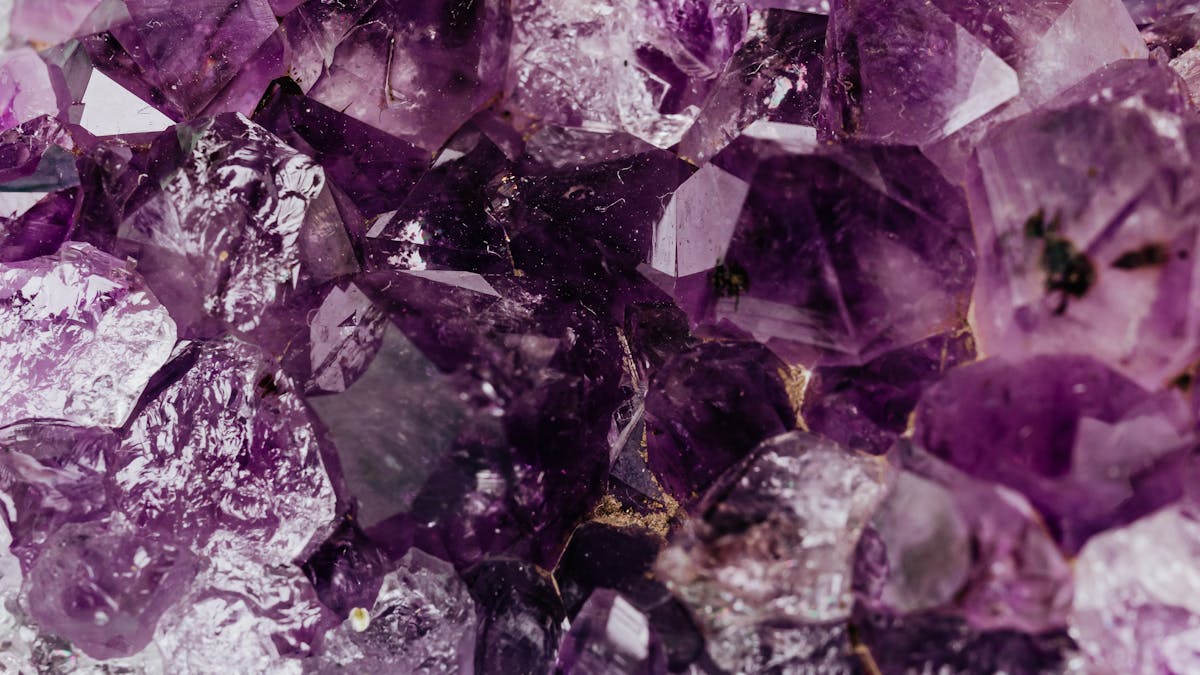
Taaffeite is usually a delicate mauve, lavender, violet, or pale pink, transparent and glassy, with a hardness around 8 — durable enough for jewellery. Sri Lanka remains one of its very few sources.
Why It's So Rare and Valuable
- Extreme rarity — for years only a handful of stones were known; it remains millions of times rarer than diamond.
- Easily confused with spinel — which is exactly how it hid for so long.
- Collector demand — fine taaffeites command very high per-carat prices.
A Note for Buyers
Because taaffeite so closely resembles spinel, only laboratory testing can confirm it. Never pay a taaffeite price without independent certification — see our buyer's guide.
See the Source
Explore the island that gave the world this gem — browse Ratnapura accommodation and the Island of Gems overview.
Quick Facts
| Mineral | Taaffeite |
| Colour | Mauve, lavender, violet, pale pink |
| Hardness | ~8 (Mohs) |
| Discovered | 1945, from an already-cut stone |
| Original stone | Came from Sri Lanka |
| Rarity | Millions of times rarer than diamond |
Frequently Asked Questions
What's unusual about taaffeite's discovery? It's the only gem first identified from an already-faceted stone — spotted by Count Edward Taaffe in 1945 because it was doubly refractive, unlike spinel.
Why was it confused with spinel? They look very similar; only optical testing revealed taaffeite to be a new mineral.
How rare is it? Among the rarest gems on Earth — far rarer than diamond.
How can I be sure a stone is taaffeite? Only laboratory testing can confirm it — never pay a taaffeite price without certification.