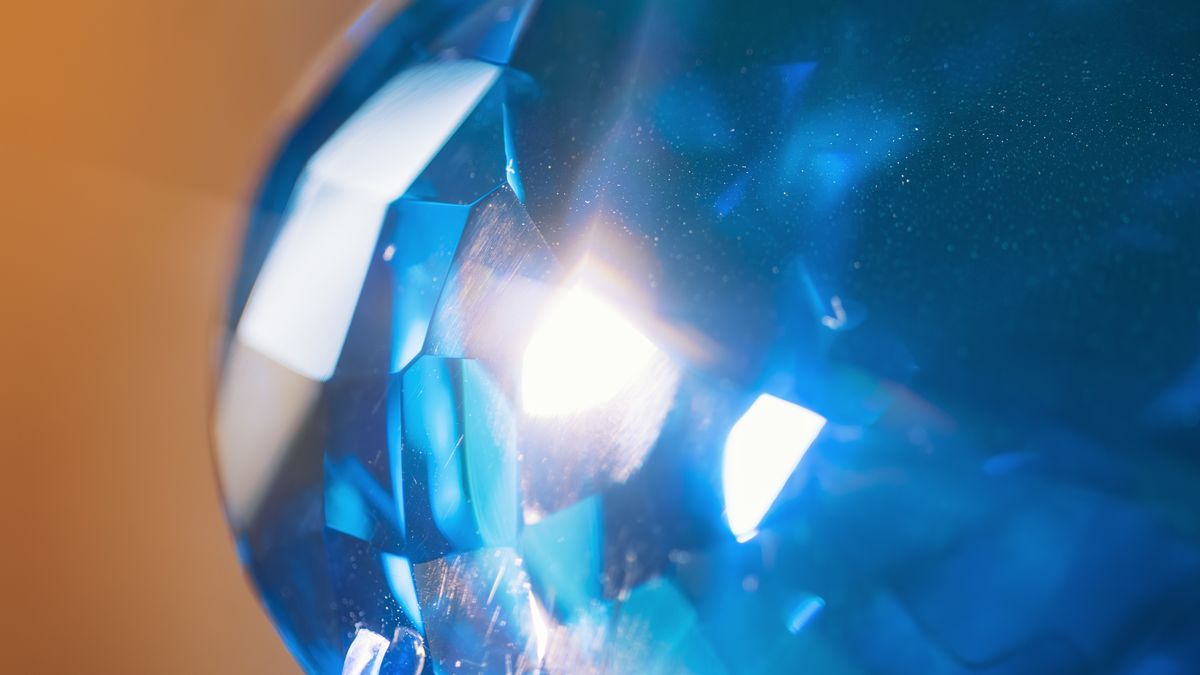
A Star Trapped in Stone
A star sapphire displays a striking optical effect called asterism — a glowing, six-rayed star that floats across the surface and moves as the stone is turned. Sri Lanka is one of the world's great sources of star sapphires, including some of the largest and most famous ever found, such as the legendary "Star of India" and "Star of Adam."
How the Star Forms
The effect is caused by tiny needle-like inclusions of the mineral rutile ("silk") arranged in three directions inside the crystal. When the stone is cut as a smooth, domed cabochon, light reflecting off these needles forms the star. A single source of light (like the sun) shows the star best.
Colours
Star sapphires occur in blue, grey, black, pink, and other colours. Blue and well-defined grey stars are especially prized in Sri Lanka.
What Affects Value
- Star quality — sharp, straight, well-centred rays that move smoothly are best.
- Body colour — a pleasing, even colour adds value.
- Translucency — some light passing through is desirable; overly opaque stones are less valued.
- Cut — a well-domed, symmetrical cabochon centres the star.
Buying Tip
Examine the star under a single light and tilt the stone — the rays should stay straight and centred. Buy from a licensed dealer; see our buyer's guide.
Visit the Source
Browse Ratnapura accommodation to explore the home of the star sapphire.
Quick Facts
| Mineral | Corundum |
| Effect | Six-rayed star (asterism) |
| Cause | Rutile "silk" needle inclusions |
| Cut | Cabochon (domed) |
| Colours | Blue, grey, black, pink and more |
| Hardness | 9 (Mohs) |
Frequently Asked Questions
What causes the star in a star sapphire? Microscopic needle-like rutile inclusions arranged in three directions reflect light into a six-rayed star when the stone is cut as a cabochon.
How do I judge a good star sapphire? Look for a sharp, straight, well-centred star that moves smoothly, plus a pleasing body colour and some translucency.
Why is it cut as a smooth dome? A cabochon cut is needed to display the star; faceting would destroy the effect.
Is Sri Lanka famous for star sapphires? Yes — some of the world's largest and most famous star sapphires came from Sri Lanka.