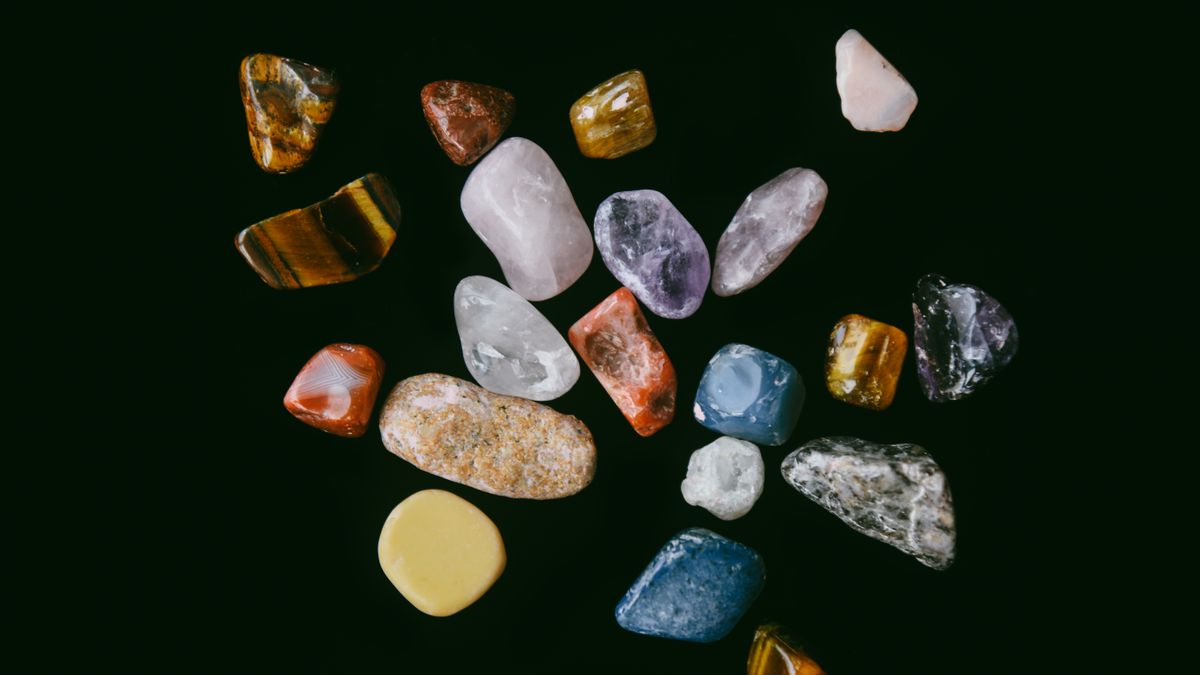
Ratna-Dweepa — The Island of Gems
Long before it was called Sri Lanka or Ceylon, ancient traders knew this island as Ratna-Dweepa — Sanskrit for "Island of Gems." For more than two thousand years, merchants, kings, and explorers have come here for one reason: few places on Earth produce such a variety of high-quality gemstones in such a small area.
Marco Polo wrote in the 13th century that the island had "the best sapphires in the world." The British Crown Jewels, royal engagement rings, and museum collections around the globe contain stones that were dug from Sri Lankan soil. Even today, the gravels beneath the hills of Sabaragamuwa Province yield some of the finest coloured gemstones found anywhere.
Why Sri Lanka Is So Rich in Gems
Sri Lanka's geology is unusually generous. Most of the island sits on ancient metamorphic rock, and over millions of years, rivers eroded gem-bearing rock and concentrated the heavy crystals into gravel beds called illam. Around 90% of the country's land is considered potentially gem-bearing — an astonishingly high proportion.
Because the gems are found in these alluvial gravels rather than deep hard-rock mines, traditional Sri Lankan mining is still done by hand, much as it has been for centuries. This is part of what makes a visit to the gem country so fascinating.
The Famous Ceylon Gemstones
Blue Sapphire — The Crown Jewel
The Ceylon blue sapphire is the island's most celebrated export. Prized for its bright cornflower-blue colour and excellent clarity, it's considered among the finest blue sapphires in the world. The sapphire in Princess Diana's engagement ring — now worn by Catherine, Princess of Wales — is a Ceylon sapphire.
Padparadscha — The Rarest of All
Padparadscha is a delicate pink-orange sapphire whose name comes from the Sinhala word for lotus blossom. It is one of the rarest and most valuable gemstones on Earth, and the finest examples come almost exclusively from Sri Lanka. A top-quality padparadscha can be worth more per carat than a diamond.
Other Treasures
- Star sapphires & star rubies — display a shimmering six-rayed star (asterism) when cut as a cabochon
- Cat's eye chrysoberyl — a rare stone with a sharp band of light that moves like a cat's eye
- Alexandrite — colour-changing from green in daylight to red under lamplight
- Ruby, spinel, garnet, topaz, moonstone, and zircon — all mined across the island
Sri Lanka's moonstones, with their soft blue sheen, come mainly from Meetiyagoda near the south coast and are among the most affordable and popular souvenirs.
Where the Gems Come From
The heart of Sri Lanka's gem industry is Ratnapura — the name literally means "City of Gems" — in Sabaragamuwa Province, about 100 km southeast of Colombo. The surrounding towns of Pelmadulla, Balangoda, and Eheliyagoda are also major mining centres.
Other gem areas include Elahera in the Central Province and pockets around the hill country. If you want to see traditional mining, watch craftsmen cut stones, or simply learn the story, Ratnapura is the place to base yourself.
Planning a Gem-Country Visit
A trip through Sri Lanka's gem region pairs beautifully with the hill country and the cultural sites. Ratnapura is also the gateway to Sinharaja Rainforest (a UNESCO World Heritage Site) and Adam's Peak, so many travellers combine gems with hiking and wildlife.
If you're heading into the gem country, browse accommodation in Ratnapura — from budget guest houses to comfortable hotels — and use it as a base to explore the Island of Gems.
New to buying gems? Read our companion guide on how to buy authentic Ceylon sapphires without getting scammed before you shop.
Frequently Asked Questions
Why is Sri Lanka called the Island of Gems? For over 2,000 years it has produced an exceptional variety of high-quality gemstones; around 90% of the island is considered potentially gem-bearing.
What gems is Sri Lanka most famous for? Blue sapphire and the rare padparadscha, plus cat's eye, alexandrite, star sapphires, moonstone, and many more.
Where are gems mined in Sri Lanka? Mainly around Ratnapura ("City of Gems") in Sabaragamuwa Province, plus Elahera and other areas.
Are there gems found only in Sri Lanka? Several rare gems were first discovered here, including serendibite, ekanite, and taaffeite.
How do I buy gems safely as a tourist? Buy from licensed dealers and certify significant stones — see our buyer's guide.