A Gem That Carries the Island's Name
Sinhalite is named after Sinhala — the Sanskrit-derived name for Sri Lanka and its Sinhalese people. It was only recognised as a distinct mineral in 1952, when scientists realised that certain "brown peridot" stones from Sri Lanka were actually something entirely new.
Mistaken for Peridot
Before 1952, sinhalite was confused with peridot because the two look similar in their brown-green range. Careful analysis revealed it to be a separate magnesium-aluminium borate mineral. Sri Lanka's gem gravels remain a key source.
What It Looks Like
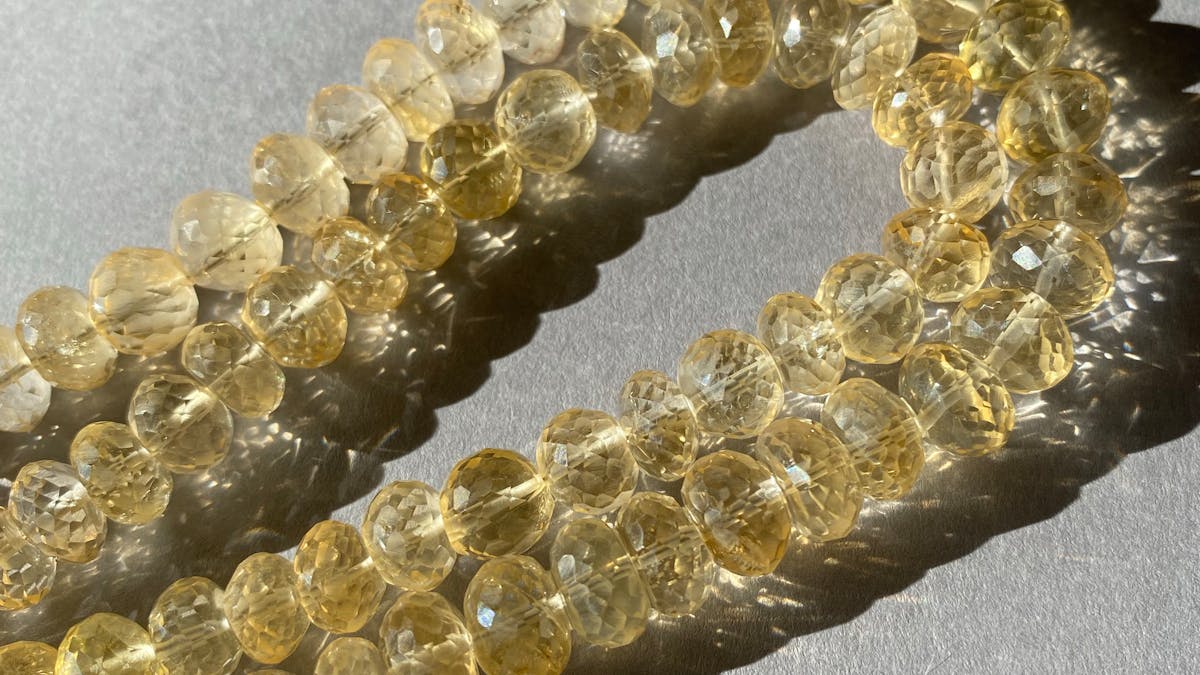
Sinhalite ranges from yellow-brown and golden to greenish-brown and dark brown, transparent to translucent, with a hardness around 6.5–7. It shows strong pleochroism, displaying different brown and green tones from different angles.
What Affects Value
- Colour — richer, more attractive golden-brown to greenish stones are preferred.
- Clarity — eye-clean transparent stones are most desirable.
- Size — clean larger stones are scarce and prized by collectors.
A Collector's Gem
Sinhalite isn't a mainstream jewellery stone, but its Sri Lankan heritage and history make it a meaningful piece for collectors of the island's gems.
See the Source
Browse Ratnapura accommodation and the Island of Gems overview.
Quick Facts
| Mineral | Sinhalite (Mg-Al borate) |
| Colour | Yellow-brown to greenish-brown |
| Hardness | ~6.5–7 (Mohs) |
| Recognised | 1952 (as a distinct mineral) |
| Named after | Sinhala (Sri Lanka) |
| Note | Strong pleochroism |
Frequently Asked Questions
Why is it named sinhalite? After Sinhala — the name for Sri Lanka and its Sinhalese people.
What was it mistaken for? Brown peridot — until 1952, when analysis showed it to be a separate mineral.
What colour is sinhalite? Yellow-brown, golden, or greenish-brown, showing different tones from different angles (pleochroism).
Is it a mainstream jewellery stone? No — it's mostly a collector's gem, valued for its Sri Lankan heritage and history.