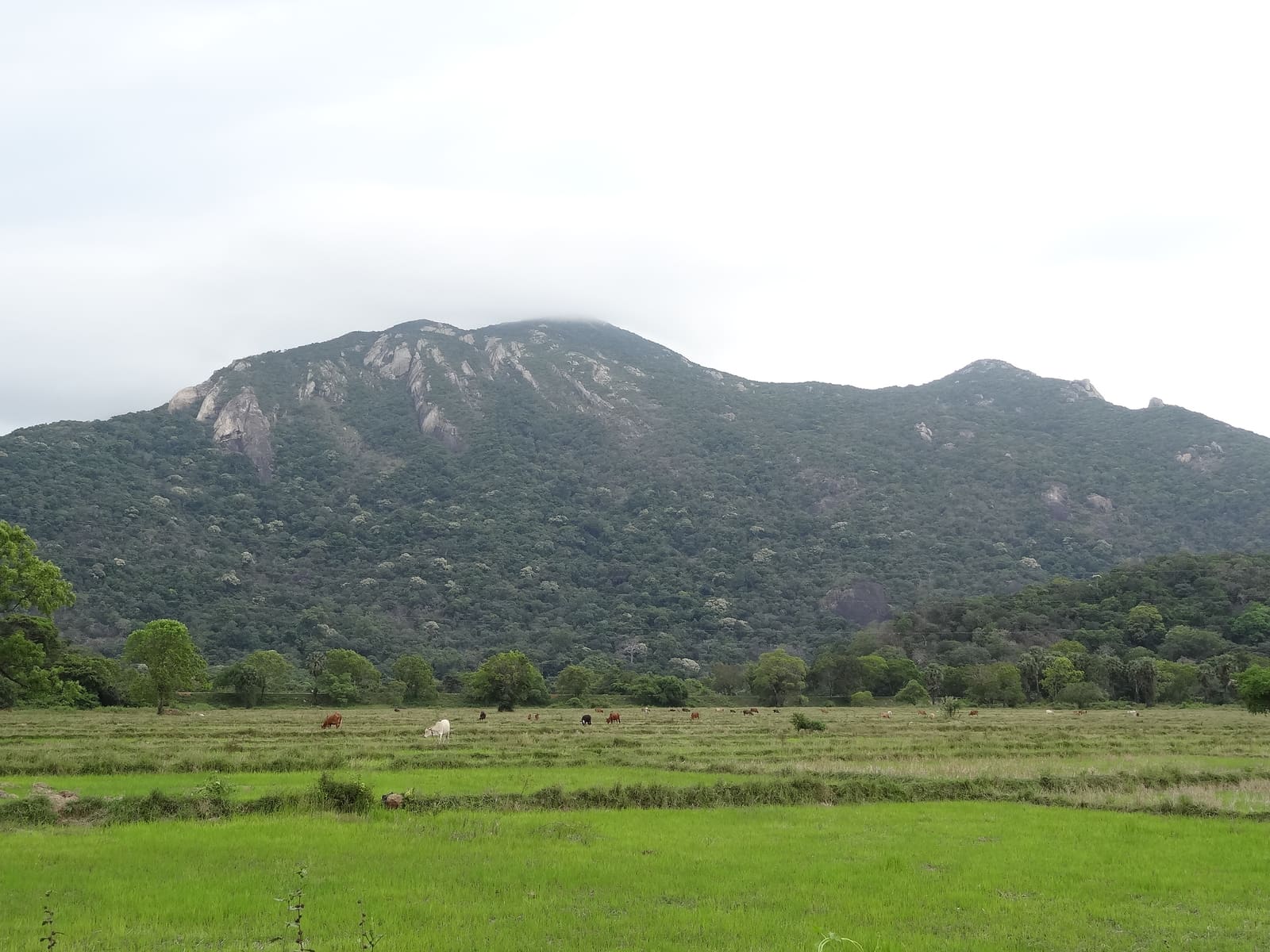
Ritigala: An Ascetic Monastery Reclaimed by the Jungle
Deep within a strict nature reserve in the dry-zone interior, Ritigala holds the ruins of an ancient forest monastery used by ascetic monks who deliberately withdrew from ordinary Buddhist community life. Unlike the polished, restored monuments elsewhere in the Cultural Triangle, Ritigala's stone walkways, ponds and platforms remain half-swallowed by jungle, giving it an atmosphere unlike anywhere else on the circuit.
1. The Stone Causeway
Best for: History and archaeology enthusiasts
A raised stone walkway connects the monastery's various structures, engineered to keep monks' feet dry and clean during the rainy season. Walking its length, flanked by dense forest on both sides, is the highlight of a Ritigala visit.
2. The Double-Platform Structures
Best for: Architecture enthusiasts
Distinctive twin stone platforms, thought to have served meditation or ceremonial purposes, are found throughout the site — a design feature unique to Ritigala among Sri Lanka's ancient monastic ruins.
3. Ritigala's Unique Flora
Best for: Nature lovers
The strict nature reserve surrounding the ruins is known for plant species not found elsewhere in Sri Lanka, believed to have arrived via medicinal herbs cultivated by resident monks centuries ago. The forest itself is as much a draw as the archaeology.
4. A Remote, Uncrowded Experience
Best for: Travellers seeking solitude
Ritigala's relative remoteness and lack of restoration mean it draws far fewer visitors than Anuradhapura or Polonnaruwa, rewarding those who make the trip with a genuinely quiet, atmospheric ruin.
Practical Tips
- Best season: Year-round, though the forest can be humid; wear long sleeves and insect repellent.
- Getting there: About 43 km from Anuradhapura, requiring a car and a walk into the reserve from the entrance point.
- Getting around: Allow 1.5 to 2 hours to explore the main causeway and platforms on foot.
- Entry/opening info: A small entry fee applies; as a strict nature reserve, visitors should stay on marked paths.
- Combine with: Anuradhapura's ancient city and the Aukana Buddha statue en route.
Where to Stay near Ritigala
Anuradhapura, the nearest major town, offers a range of guesthouses and hotels well suited to exploring Ritigala and the surrounding Cultural Triangle. Browse verified Anuradhapura stays on SLAccommodation for easy access to the reserve.
Quick Facts
| Region | Cultural Triangle (North Central Province) |
| Famous for | Ascetic forest monastery, stone causeway, unique flora |
| Nearby | Anuradhapura, Aukana Buddha statue |
| Best season | Year-round |
| Distance from Colombo | ~210 km (~4.5 hrs) |
Frequently Asked Questions
What makes Ritigala different from other Cultural Triangle sites? It was home to ascetic monks who withdrew from mainstream monastic life, and its ruins remain largely unrestored and surrounded by dense forest rather than open, manicured grounds.
Is Ritigala difficult to reach? It requires a car and a walk into a nature reserve from the entrance, making it slightly less accessible than Anuradhapura or Polonnaruwa, but well worth the effort.
What wildlife or plants might I see at Ritigala? The surrounding forest reserve is known for unusual plant species, believed linked to medicinal herbs once cultivated by the resident monks.
How long should I plan for a Ritigala visit? Around 1.5 to 2 hours is typical to explore the stone causeway and platform structures at a comfortable pace.