Pettah Market: Colombo at Full Volume
If Galle Face Green is Colombo relaxed, Pettah is Colombo working. This dense old trading district north of Fort has been the city's commercial hub since colonial times, and its narrow streets are still organised by trade — one lane sells spices, another textiles, another hardware and electronics. For visitors, it's a sensory-overload introduction to how the city actually functions.
1. The Spice and Produce Lanes
Best for: Photographers and food lovers
Streets like Sea Street and the market lanes around it are piled with sacks of chillies, cardamom, cinnamon and dried fish, alongside fruit and vegetable stalls. It's one of the best places in the city to see and smell the raw ingredients of Sri Lankan cooking in bulk.
2. The Pettah Floating Market
Best for: A calmer contrast to the street chaos
Built on a section of Beira Lake, the Pettah Floating Market offers a more organised, pedestrian-friendly shopping experience on platforms and small boats over the water, selling clothing, accessories and souvenirs in a far less frenetic setting than the surrounding streets.
3. Religious Diversity in a Few Blocks
Best for: Culture and architecture lovers
Pettah is remarkably compact and religiously diverse — a Hindu kovil, a mosque and a Buddhist temple can all sit within a few streets of each other, reflecting Colombo's long history as a trading port city.
4. Old Colombo Architecture
Best for: Heritage enthusiasts
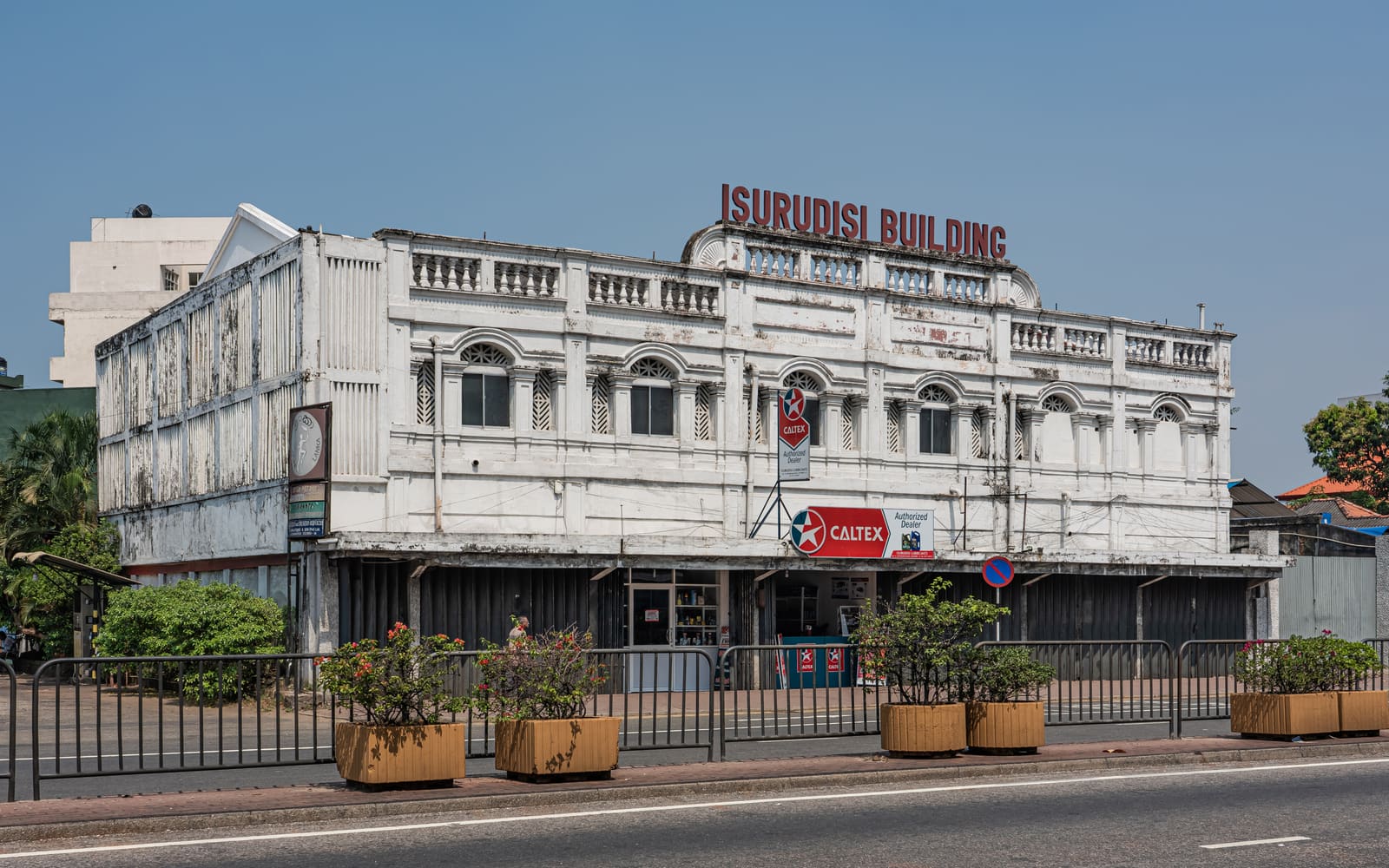
Amid the modern shopfronts, look up to see Dutch and British-era buildings, ornate verandas and old warehouse facades — remnants of Pettah's centuries as the commercial engine of the city.
Practical Tips
- Best season: Year-round; visit in the morning when the market is busiest and coolest.
- Getting there: Central Colombo, adjoining Fort; easily reached by tuk-tuk, taxi or Colombo's suburban train to Pettah/Colombo Fort station.
- Getting around: The market area is best explored on foot — it's crowded and narrow, so vehicles are impractical inside.
- Entry/opening info: Free to walk through; keep an eye on belongings in the crowded lanes as you would in any busy market.
- Combine with: Colombo Fort's colonial buildings, the Red Mosque (Jami Ul-Alfar), and the Dutch Museum.
Where to Stay near Pettah Market
Fort and the surrounding areas of central Colombo offer hotels ranging from heritage properties to modern towers, all within a short ride of Pettah's markets. Browse verified Colombo stays on SLAccommodation close to the old town.
Quick Facts
| Region | Colombo (Western Province) |
| Famous for | Spice and textile bazaars, floating market, old trading architecture |
| Nearby | Colombo Fort, Red Mosque, Beira Lake |
| Best season | Year-round |
| Distance from Colombo Fort | ~1 km |
Frequently Asked Questions
What can you buy at Pettah Market? Everything from spices, textiles and hardware to electronics and souvenirs — the district is organised into specialised lanes by trade.
Is Pettah Market safe for tourists? Yes, though it's crowded and chaotic; keep valuables secure and be prepared for a busy, sensory experience rather than a relaxed browse.
What is the Pettah Floating Market? A section of shops built on platforms and small boats over Beira Lake, offering a calmer, more organised shopping experience than the surrounding street markets.
What is the best time to visit Pettah Market? Weekday mornings are busiest with trade but least crowded with visitors; avoid the peak midday heat if walking for an extended time.