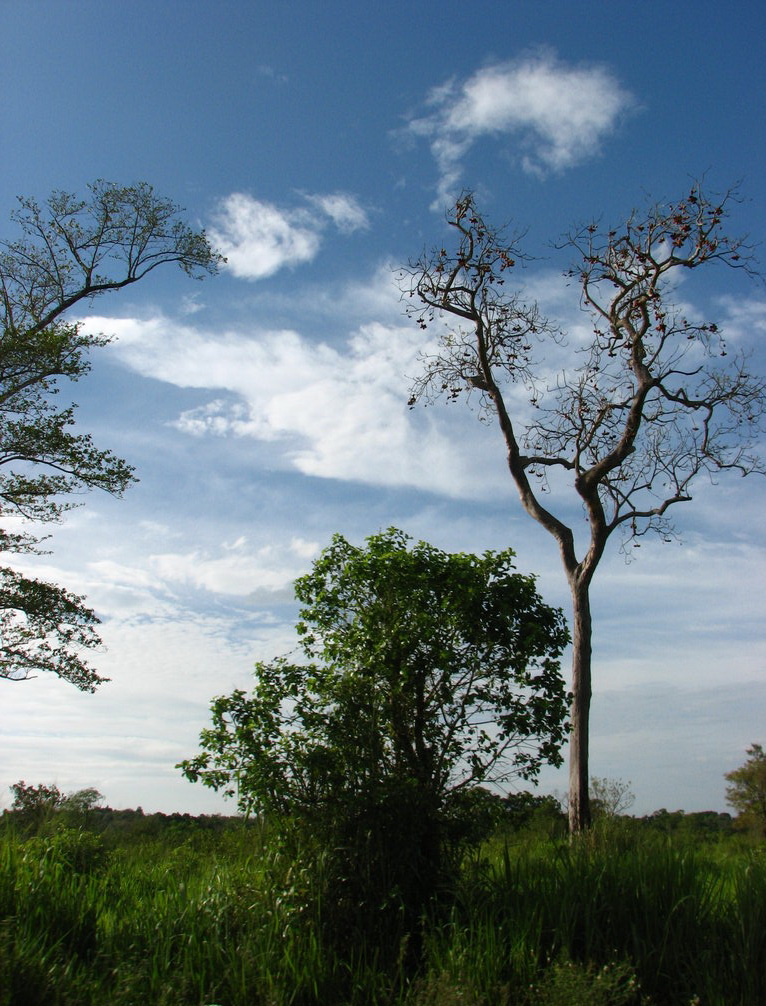
Maduru Oya: A Reservoir-Fed Wilderness
Established primarily to protect the catchment area around several major irrigation reservoirs, Maduru Oya National Park sits in the dry zone of Sri Lanka's eastern interior. It's far less visited than the country's headline safari parks, which means fewer jeeps and a genuinely wild feel — but also a reminder that this is a working conservation landscape tied closely to the island's ancient irrigation history.
The park's grasslands, scrub forest and reservoir edges support healthy elephant populations along with a mix of dry-zone wildlife.
1. The Reservoirs
Best for: Scenery and birdwatching
Several large tanks (reservoirs) built as part of Sri Lanka's ancient and modern irrigation systems anchor the park, drawing wildlife and water birds to their shores, especially in drier months.
2. Elephant Populations
Best for: Wildlife photographers
Maduru Oya supports sizeable elephant herds that gather near water sources, particularly as the dry season progresses and grasslands thin out elsewhere.
3. Dry-Zone Forest and Grassland
Best for: Nature lovers
The mix of open grassland and scrub forest supports deer, wild boar and a range of birdlife, offering a classic dry-zone safari landscape.
4. A Genuinely Off-the-Beaten-Path Safari
Best for: Travellers seeking solitude
With minimal tourist infrastructure and low visitor numbers, a safari here feels considerably more remote than at Sri Lanka's more established parks.
Practical Tips
- Best season: The dry season, roughly May to September, concentrates wildlife around the remaining reservoirs and waterholes.
- Getting there: Around 4-5 hours from Colombo, typically approached via the eastern or central hill-country routes.
- Getting around: Safaris require a 4x4 jeep and licensed guide, generally arranged through a local operator given limited on-site infrastructure.
- Entry/opening info: A national park entry fee applies for foreign visitors; facilities are more basic than at larger parks, so plan accordingly.
- Combine with: Polonnaruwa's ancient ruins or Mahiyangana, both accessible within a similar travel radius.
Where to Stay near Maduru Oya
Polonnaruwa, a couple of hours away, is the most practical base with a fuller range of accommodation for arranging a Maduru Oya safari. Browse verified Polonnaruwa stays on SLAccommodation for your trip.
Quick Facts
| Region | Eastern dry zone (Batticaloa/Ampara border) |
| Famous for | Irrigation reservoirs, elephant herds, low visitor numbers |
| Nearby | Polonnaruwa, Mahiyangana |
| Best season | May to September for concentrated wildlife viewing |
| Distance from Colombo | ~215 km (~4-5 hrs) |
Frequently Asked Questions
Why was Maduru Oya National Park established? Primarily to protect the catchment area of several irrigation reservoirs feeding surrounding agricultural land, alongside its wildlife value.
Is Maduru Oya a good safari option for first-time visitors? It's better suited to travellers who have already visited a major park like Yala or Udawalawe and want a quieter, more remote follow-up experience.
What wildlife can be seen at Maduru Oya? Elephants are the main highlight, alongside deer, wild boar and various water birds around the reservoirs.
How developed are visitor facilities at Maduru Oya? They are more limited than at larger parks, so arranging a safari through a local operator or your accommodation is recommended.