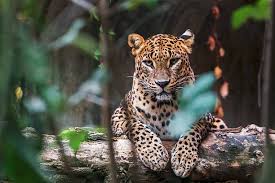
Sri Lankan Leopards: Where to See Asia's Most Elusive Big Cats
Sri Lanka is home to one of the world's most elusive and magnificent big cats—the Sri Lankan leopard (Panthera pardus kotiya). With fewer than 700 individuals remaining, spotting one is a thrilling privilege that draws wildlife enthusiasts from around the world.
About the Sri Lankan Leopard
The Sri Lankan leopard is a subspecies found only on the island, making it endemic to Sri Lanka. These solitary, nocturnal hunters are perfectly adapted to the island's diverse habitats, from dry scrublands to rainforests.
Key Characteristics
- Size: Males weigh 50-80 kg, females 20-30 kg
- Coloring: Golden-yellow coat with black rosette markings
- Habitat: Dry zones, wet zones, and scrublands
- Diet: Sambar deer, axis deer, wild boar, and monkeys
- Lifespan: 12-17 years in the wild
Best Places to Spot Leopards
Yala National Park
The most famous safari destination in Sri Lanka, Yala has the highest leopard density in Asia. Located in the southeastern corner, it offers the best chances for leopard sightings.
Best time: January to April (dry season) What to expect: Early morning jeep safaris have produced excellent sightings in recent years Accommodation nearby: Yala has excellent lodge options with direct park access
Wilpattu National Park
Sri Lanka's largest national park offers a more remote and immersive safari experience. Though leopard density is lower than Yala, the park is less crowded.
Best time: August to February What to expect: More privacy and authentic wilderness experience Wildlife: Leopards, elephants, sloth bears, and crocodiles
Udawalawe National Park
Located in the central highlands, Udawalawe is primarily known for its large elephant population but also has resident leopard populations.
Best time: Year-round, but January to May is optimal What to expect: Combined wildlife and scenic highland experience
Other Big Cats in Sri Lanka
Sloth Bear (Melursus ursinus)
These bears are solitary, nocturnal, and primarily feed on ants and termites. They're found throughout the dry and intermediate zones but are rarely seen by tourists.
Golden Jackal (Canis aureus)
These smaller canids are more commonly spotted than leopards and can be seen in open areas during early morning drives.
Planning Your Safari
What to Bring
- Binoculars (essential for spotting)
- Camera with zoom lens
- Sun protection (hat, sunscreen, sunglasses)
- Light layers (mornings can be cool)
- Comfortable clothing in muted colors
Safari Tips
- Start early: Morning safaris (6-9 AM) offer the best sightings
- Be patient: Wildlife viewing requires patience and silence
- Choose experienced guides: Knowledgeable guides increase spotting chances
- Multiple drives: Book multiple safari drives for better odds
- Manage expectations: Even in Yala, leopard sightings aren't guaranteed
Leopard Conservation in Sri Lanka
Leopard populations face threats from habitat loss, human-wildlife conflict, and poaching. Several organizations work tirelessly to protect these magnificent cats:
- Leopard Trust: Dedicated to conservation research and community education
- World Wildlife Fund (WWF): Supports habitat protection
- Jetwing Eco Holidays: Uses tourism revenue to fund conservation
By visiting and supporting ethical wildlife tourism, you contribute to leopard conservation efforts.
Best Accommodations for Safari
Luxury Options
- Chena Huts (Yala)
- Leopard Tented Lodge (Yala)
- Jetwing Lighthouse (Yala border)
Mid-Range Options
- Tail Baobab (Wilpattu)
- Leopard Safari Village (Yala)
Budget Options
- Various guesthouses in Tissamaharama (gateway to Yala)
Responsible Wildlife Tourism
When visiting leopard habitats, remember:
- Maintain a safe distance from all wildlife
- Don't use flash photography
- Never feed any animals
- Respect the animals' space and behavior
- Choose operators committed to conservation
Conclusion
Spotting a Sri Lankan leopard is a once-in-a-lifetime experience that combines adventure, conservation awareness, and a deep connection with nature. Whether you're a wildlife photographer, nature lover, or safari enthusiast, Sri Lanka's leopard safaris offer unforgettable moments in one of Asia's most biodiverse regions.
The elusive beauty of these magnificent cats reminds us why wildlife conservation matters—and why places like Sri Lanka are invaluable treasures to protect for future generations.
Quick Facts
| Species | Sri Lankan leopard (Panthera pardus kotiya) — endemic |
| Population | Fewer than ~700 in the wild |
| Top park | Yala (highest leopard density in Asia) |
| Also try | Wilpattu, Udawalawe |
| Best time | Dry season (varies by park) |
| Best drives | Early morning (6–9 AM) |
Frequently Asked Questions
Where is the best place to see leopards in Sri Lanka? Yala National Park has the highest leopard density in Asia; Wilpattu is quieter and more remote.
Are leopard sightings guaranteed? No — even in Yala, sightings depend on luck; booking multiple early-morning drives improves your odds.
What's the best time of day for a safari? Early morning (6–9 AM), when leopards are most active in the cooler hours.
Where do I stay for a Yala safari? Most travellers base in Tissamaharama, the gateway town, with options from budget guest houses to safari lodges.
Half-day or full-day safari — which is better? A half-day drive (~3–4 hours, early morning or late afternoon) suits most visitors; a full-day safari (~6–8 hours) gives keen wildlife enthusiasts more chances at a sighting.
How much does a leopard safari cost? Expect park entry of roughly LKR 2,500–4,000 per person plus the jeep and guide fee; confirm the all-in total with your operator before booking.