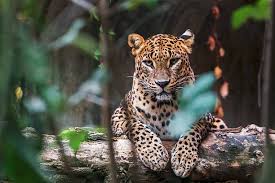
Leopard Safari in Sri Lanka: Spotting the Elusive Big Cat
Sri Lanka is home to one of the world's highest densities of leopards, making it one of the best destinations for big cat spotting. The Sri Lankan leopard (Panthera pardus kotiya) is a subspecies found nowhere else on Earth, and with less than 700 remaining in the wild, seeing one is a truly special experience.
Why Sri Lanka for Leopard Spotting?
Unlike African safaris where lions dominate, Sri Lanka's jungles are ruled by the elusive leopard. The island's leopard population is concentrated in specific national parks and reserves, giving visitors better odds of sightings compared to other parts of Asia.
Population Density: Sri Lanka has the highest leopard density in all of Asia, with approximately one leopard per 10 square kilometers in the best reserves.
Best Places to Spot Leopards
Yala National Park
The most famous leopard destination in Sri Lanka, Yala has the highest concentration of big cats.
- Best season: May-September (dry season)
- Success rate: 30-40% chance of sighting
- Park area: Over 140,000 hectares
- Accommodation: Nearby guesthouses in Tissamaharama
Wilpattu National Park
Sri Lanka's largest national park, less crowded than Yala with excellent leopard populations.
- Best season: March-September
- Success rate: 25-35% chance of sighting
- Unique feature: Scenic lakes and dense jungle
- Accommodation: Polonnaruwa or nearby lodges
Udawalawe National Park
Great for all wildlife viewing with a healthy leopard population and diverse ecosystem.
- Best season: May-August
- Wildlife: Leopards, elephants, water buffalo
- Accessibility: Central location, easy to reach
Wildlife Safari Tips
Best Time for Safaris
- Early morning: 6:00 AM - 9:00 AM (peak activity)
- Late afternoon: 3:00 PM - 6:00 PM
- Leopards are most active during cooler hours
What to Bring
- Binoculars (essential for distant spotting)
- Camera with zoom lens
- Light, neutral-colored clothing
- Sunscreen and insect repellent
- Hat and sunglasses
Safari Etiquette
- Keep noise to a minimum
- Never attempt to approach wildlife
- Stay in vehicle at all times
- Listen to your guide's instructions
- Respect the animals' space
Other Big Cats and Wildlife
While leopards are the main attraction, Sri Lankan national parks also offer:
- Sloth bears: Shy but powerful animals
- Sambhur deer: The leopard's primary prey
- Sri Lankan wild boar: Common throughout reserves
- Crocodiles: Found in water bodies
- Peacocks and pheasants: Colorful bird species
Where to Stay for Safari
Luxury Options
- Safari lodges with experienced guides
- All-inclusive packages with game drives
- Fine dining and comfortable accommodations
Budget-Friendly Stays
- Guest houses near park entrances
- Local accommodations in surrounding villages
- Basic but clean rooms with essential amenities
Safari Duration
- Half-day safari: 3-4 hours (₹4,000-6,000 per person)
- Full-day safari: 6-8 hours (₹8,000-12,000 per person)
- Multi-day safaris: 2-3 days for serious wildlife enthusiasts
Important Notes
- No guarantee: Wildlife sightings can never be guaranteed
- Physical fitness: Safaris involve bumpy terrain and early starts
- Weather dependency: Rain can impact visibility and animal movement
- Licensed guides: Always use authorized park guides
- Park fees: Reserve entry fees apply (LKRS 2,500-4,000 per person)
Conservation Efforts
Sri Lanka is actively working to protect its leopard population through:
- National park management and protection
- Anti-poaching patrols
- Community awareness programs
- Habitat preservation initiatives
By visiting responsible safari operators, you contribute to wildlife conservation efforts and support local communities.
Planning Your Leopard Safari
- Choose your park: Yala for highest sighting probability, Wilpattu for less crowds
- Book accommodation: Reserve lodges 2-3 weeks in advance
- Arrange transport: Book with reputable safari operators
- Pack appropriately: Neutral colors, sturdy shoes, sun protection
- Be patient: Wildlife viewing requires time and luck
A leopard sighting in the jungles of Sri Lanka is a memory that will last a lifetime. Whether you see the elusive big cat or enjoy the other incredible wildlife, a safari adventure in Sri Lanka is truly unforgettable.