Ceylon Tea: From Leaf to Cup in Nuwara Eliya
Sri Lanka's hill country around Nuwara Eliya produces some of the world's most prized Ceylon tea, grown at altitude in cool, misty conditions that give the leaves their distinctive brightness. Touring a working tea factory here is one of the most rewarding cultural experiences in the highlands, taking visitors through the entire process from plucked leaf to packaged tea, usually finishing with a tasting session overlooking the estate.
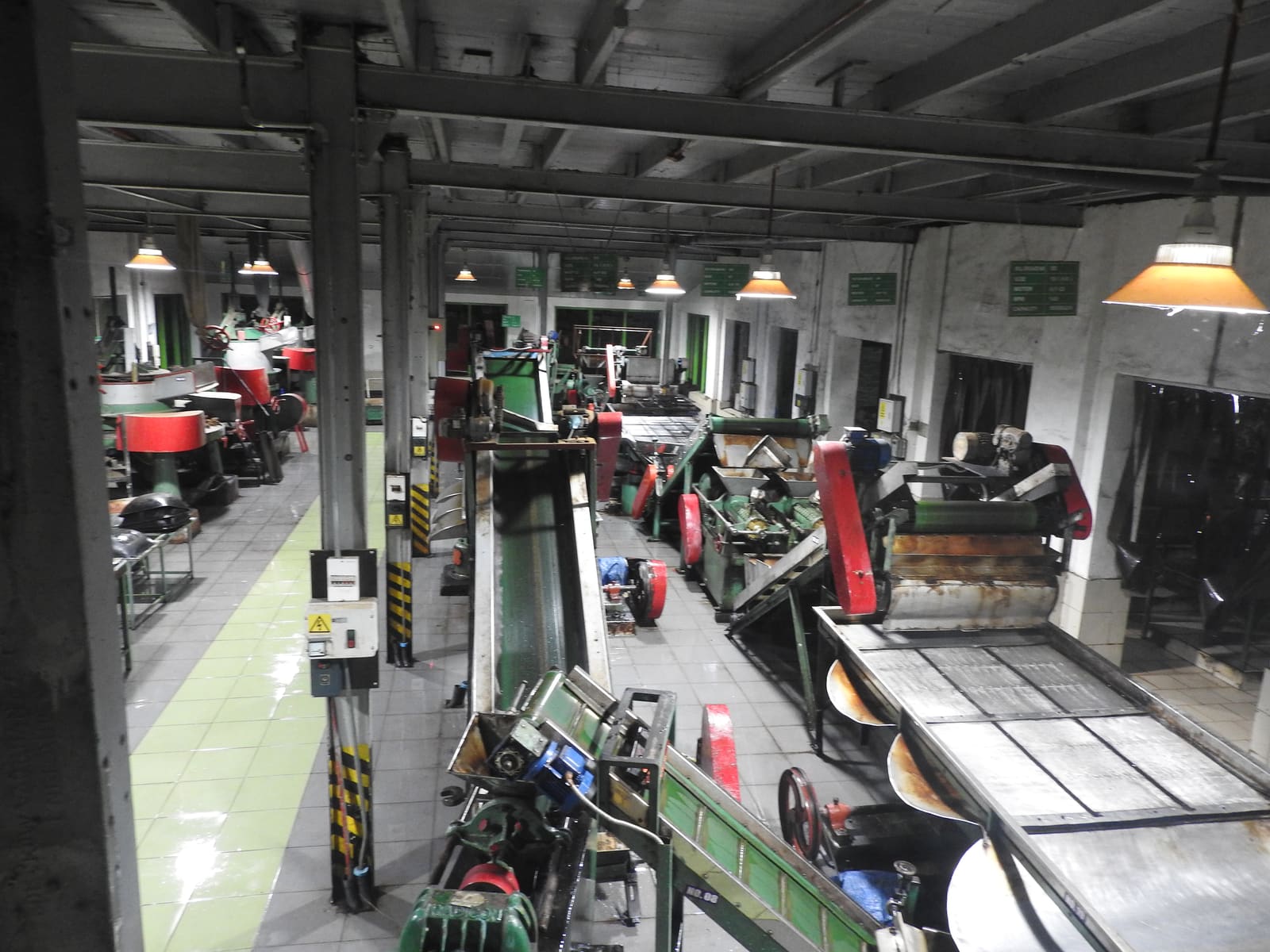
Many factories still use machinery installed decades ago, giving tours a tangible sense of history alongside the practical process of tea-making.
1. The Plucking Fields
Best for: Photographers
Rows of neatly trimmed tea bushes stretch across the hillsides, often worked by pluckers carrying traditional baskets, especially striking in the misty early morning light.
2. Withering, Rolling and Fermentation
Best for: Understanding the process
Guided tours walk through each stage of production — withering the leaves, rolling to release enzymes, fermenting, and firing to stop oxidation — explaining how different processing choices create black, green or white tea.
3. Grading and Packaging
Best for: Curious travellers
Factories sort processed tea into different grades based on leaf size and quality, a step that directly affects flavour and price, and one rarely visible outside a factory visit.
4. Tasting Sessions
Best for: Everyone
Most tours conclude with a tasting of freshly brewed tea, often paired with views over the surrounding tea estate, and an opportunity to buy tea directly from the source.
Practical Tips
- Best season: Year-round, though clear weather in the December to March dry season gives the best estate views.
- Getting there: Several working factories operate within a short drive of Nuwara Eliya town.
- Getting around: Most factories welcome walk-in visitors for guided tours lasting 30-45 minutes; some request a small tour fee.
- Entry/opening info: Photography is usually permitted in production areas; check individual factory hours as they can vary.
- Combine with: Horton Plains National Park or Ambewela's farms, both within easy reach of Nuwara Eliya.
Where to Stay near Nuwara Eliya's Tea Factories
Nuwara Eliya town has a wide range of accommodation, from colonial-era hotels to smaller guesthouses, well placed for visiting nearby tea estates. Browse verified Nuwara Eliya stays on SLAccommodation for your visit.
Quick Facts
| Region | Central Highlands (Nuwara Eliya) |
| Famous for | Ceylon tea production, factory tours, estate scenery |
| Nearby | Horton Plains National Park, Ambewela |
| Best season | Year-round, clearest views December to March |
| Distance from Colombo | ~180 km (~5-6 hrs) |
Frequently Asked Questions
Are tea factory tours free? Many working factories offer free or low-cost guided tours, sometimes with a small charge, usually ending with a tasting session.
How long does a typical tea factory tour take? Around 30-45 minutes covers the main production stages, from withering through to packaging.
What's the difference between black, green and white Ceylon tea? The differences mainly come down to processing — the level of oxidation and fermentation applied to the same tea leaves determines the final type.
Can I buy tea directly at the factories? Yes, most factories have an on-site shop selling their own tea, often at better prices than in tourist areas elsewhere.