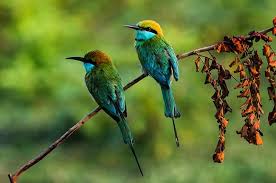
Birdwatching in Sri Lanka: A Paradise for Avian Enthusiasts
Sri Lanka is a birdwatcher's paradise, home to over 250 bird species, of which 33 are found nowhere else on Earth. From tropical rainforests to wetlands, the island's diverse habitats support an incredible array of endemic, migratory, and resident bird species that attract birdwatchers worldwide.
Why Sri Lanka for Birdwatching?
Biodiversity Hotspot
- 256 total bird species recorded
- 33 endemic species found only in Sri Lanka
- Multiple habitat types in a compact area
- Year-round birdwatching possible
- High concentration of rare and endangered species
Geographic Advantage
Sri Lanka's position on the Indian Ocean migration route makes it crucial for migratory species moving between Europe, Asia, and Africa.
Endemic Bird Species
Must-See Endemics
Sri Lankan Junglefowl (Gallus lafayettei)
- Strikingly colorful game bird
- Found in dense forests throughout the island
- Males have bright red and golden plumage
- Heard more often than seen
Sri Lankan Woodpigeon (Columba torringtoni)
- Found in montane forests
- Soft cooing calls
- Pale plumage with distinctive markings
- Best in central highlands
Sri Lankan Blue Magpie (Urocissa ornata)
- Brilliant blue and white plumage
- Loud, raucous calls
- Forest dweller
- Often seen in small flocks
Yellow-billed Babbler (Turdoides affinis)
- Endemic lowland species
- Noisy and social
- Distinctive yellow bill
- Common in southwestern regions
Sri Lankan Scops Owl (Otus thilohoffmanni)
- Small, nocturnal owl
- Easily identified by call
- Year-round resident
- Found in various habitats
Other Notable Endemics
- Black Eagle
- Green-billed Coucal
- Sri Lankan Drongo
- Sri Lankan Hanging Parrot
- Sri Lanka Crested Drongo
Best Birdwatching Locations
Sinharaja Rainforest
Best season: September to November (post-monsoon) and January to April
Sri Lanka's most important birding destination and UNESCO World Heritage Site.
Features:
- 147 bird species recorded (18 endemic)
- Dense primary and secondary rainforest
- Excellent for endemic and rare species
- Multiple forest trails
- Highest canopy in Sri Lanka
Best experience:
- Guided walks with ornithologist guides
- Early morning departures
- Multiple visits for different zones
- Budget 2-3 days minimum
Nearby accommodation:
- Rainforest Edge Sanctuary
- Rock Hostel (Deniyaya)
- Various guesthouses in nearby villages
Bundala National Park
Best season: October to March
A coastal wetland sanctuary crucial for migratory waders.
Features:
- 169 bird species
- Shallow lagoons perfect for waders
- Flamingos, herons, eagles
- Excellent for photography
- Easy viewing from hides
What to see:
- Greater Flamingos (December-March)
- Painted Storks
- Asian Openbill
- Eurasian Curlew
- African Fish Eagle
Horton Plains National Park
Best season: December to May
Montane grassland and forest at 2,000+ meters elevation.
Features:
- Endemic montane birds
- Cooler climate
- Scenic hiking trails
- Endemic plants
- Stunning views
Species:
- Yellow-eared Bulbul
- Sri Lankan White-eye
- Green-billed Coucal
- Various raptors
Muthurajawela Marsh
Best season: October to March
A brackish lagoon near Colombo hosting migratory waders.
Advantages:
- Close to Colombo
- Easy access
- Great for beginners
- Regular sightings
- Limited time option
Udawalawe National Park
Best season: Year-round (January-May best)
Primarily known for elephants but excellent for waterbirds and raptors.
Species:
- White-bellied Sea Eagle
- Stork-billed Kingfisher
- Asian Elephant Bird (rare viewing)
- Various eagles and herons
Galle Face Green (Colombo)
Best season: December to February
An urban birding spot surprising in its diversity.
What to spot:
- Migratory warblers
- Cuckoos
- Raptors
- Shorebirds
Migratory Birds
Fall Migration (August-October)
Warblers, flycatchers, and other songbirds move south from Eurasia.
Species:
- Pied Flycatcher
- Common Redstart
- Asian Paradise Flycatcher
- Siberian Thrush
Spring Migration (February-April)
Birds return northbound after wintering in Africa and Asia.
Best watching: March to April
Year-Round Residents
Many species stay throughout the year, including:
- Eagles and kites
- Kingfishers
- Herons and egrets
- Various raptors
Essential Birdwatching Equipment
Must-Haves
- Binoculars: Quality 8x42 or 10x42
- Field guide: "Birds of Sri Lanka" or regional guide
- Notebook: Record sightings and details
- Flashlight: Early morning birdwatching
- Sturdy shoes: Forest trails and muddy paths
Recommended
- Camera: For documentation and enjoyment
- Tripod: Telephoto lens support
- Recording device: Audio recordings of calls
- Spotting scope: For distant birds
- Layered clothing: Weather changes
Birdwatching Tips & Techniques
Early Morning Advantage
- Birds most vocal and active at dawn
- Best light for photography
- Fewer distractions
- Start 30 minutes before sunrise
Listening Skills
- Train your ear to bird calls
- Use apps like Merlin Bird ID
- Calls often reveal birds before visual sighting
- Practice with recordings beforehand
Movement and Patience
- Move slowly and deliberately
- Stop frequently and listen
- Avoid sudden movements
- Stay in shaded areas (birds see you too)
- Remain quiet during observations
Weather Considerations
- Overcast days: Easier spotting, less glare
- Rain: Reduces activity
- Wind: Carries bird calls away
- Hot days: Midday activity drops
Best Birdwatching Tours & Guides
Professional Tour Operators
- Ceylon Bird Tours: Specializing in endemic species
- Jetwing Eco Holidays: Sustainable birdwatching packages
- Sinharaja Guided Tours: Expert rainforest guides
- Bundala Safaris: Wetland specialists
Private Guides
Many villages near birding hotspots offer local guides with excellent knowledge and affordable rates.
What to Look For
- Certified ornithologist guides
- Conservation experience
- Good track record of sightings
- Patient teaching style
- Knowledge of bird behavior
Accommodation Options
Near Sinharaja
- Rainforest Edge Sanctuary
- Rock Hostel
- Budget guesthouses (Deniyaya)
- Homestays with locals
Near Bundala
- Bundala National Park Hotel
- Tissamaharama accommodations
- Mirissa (nearby beach town)
Central Highlands (Horton Plains)
- Nuwara Eliya hotels
- Tea estate guesthouses
- Mountain lodges
Near Colombo
- Galle Face Hotels
- Negombo beach resorts
- City center hotels
Seasonal Guide
December-February (Peak Season)
- Best overall birdwatching
- Migratory species arrive
- Dry, stable weather
- Most guides available
- Higher prices
March-May (Shoulder Season)
- Excellent birding
- Spring migration
- Fewer tourists
- Better prices
- Warmer weather
June-August (Monsoon)
- Limited birdwatching in wet zone
- Dry zone remains good
- Fewer tourists
- Budget accommodations
- Some species retreat
September-November (Post-Monsoon)
- Fall migration begins
- Excellent for migratory species
- Sinharaja at its best
- Unique seasonal species
Photography Tips for Birdwatchers
- Zoom lens: 200-600mm ideal
- Shutter speed: 1/1000+ for flying birds
- Focus: Continuous autofocus for movement
- Patience: Arrive early, wait longer
- Ethics: Never disturb nesting birds
Notable Birds by Habitat
Rainforest Species
- Sri Lankan Junglefowl
- Various bulbuls
- Treepies
- Endemic warblers
Wetland Species
- Painted Storks
- White Ibis
- Greater Flamingos
- Herons and egrets
Montane Species
- Yellow-eared Bulbul
- Green-billed Coucal
- Various endemics
- Mountain eagles
Coastal Species
- Shorebirds
- Gulls and terns
- Fish eagles
- Kingfishers
Conservation & Responsible Birdwatching
Ethical Practices
- Never use playback calls excessively (stresses birds)
- Maintain safe distance from nests
- Respect protected areas
- Support local communities
- Choose conservation-minded operators
Contribution to Conservation
- Document sightings on eBird (citizen science)
- Support local bird protection initiatives
- Report rare sightings to researchers
- Practice Leave No Trace principles
Conclusion
Birdwatching in Sri Lanka offers unparalleled opportunities to observe endemic species, migratory birds, and diverse tropical bird life in various habitats. Whether you're a beginner discovering your passion for birds or an experienced birder seeking rare endemics, Sri Lanka delivers unforgettable experiences.
Plan your visit during peak season (December-February) or shoulder months (March-May), hire experienced guides, and prepare with proper equipment. The island's combination of stunning landscapes, incredible avian diversity, and warm hospitality makes it one of the world's premier birdwatching destinations.
Start your Sri Lankan birdwatching journey today and witness the extraordinary diversity of this island's feathered treasures!
Quick Facts
| Total species | ~250+ recorded |
| Endemics | 33 found only in Sri Lanka |
| Top spot | Sinharaja Rainforest |
| Wetland hotspot | Bundala National Park |
| Highland hotspot | Horton Plains |
| Peak season | December–April (plus Sep–Nov migration) |
Frequently Asked Questions
How many endemic birds does Sri Lanka have? 33 endemic species — found nowhere else on Earth — among 250+ recorded species.
What's the single best birding site? Sinharaja Rainforest, famous for endemics and mixed-species feeding flocks.
When is the best time for birdwatching? December–April overall, with September–November excellent for migratory arrivals.
Do I need a guide? A specialist guide hugely increases sightings — they know calls and exact locations of endemics.